🧐 Estimated read time | 5 minutes
Inspired by Raymond Williams’ “Culture is Ordinary” from Resources of Hope – a reminder that the extraordinary can always be found in the everyday.
If you’re into thoughtful travel, cultural curiosity, and slowing down long enough to notice the world’s tiny rituals, you’re in the right place.
When you think about “culture,” what comes to mind? Ancient temples? World-class art museums? Michelin-starred restaurants in tucked-away Parisian courtyards?

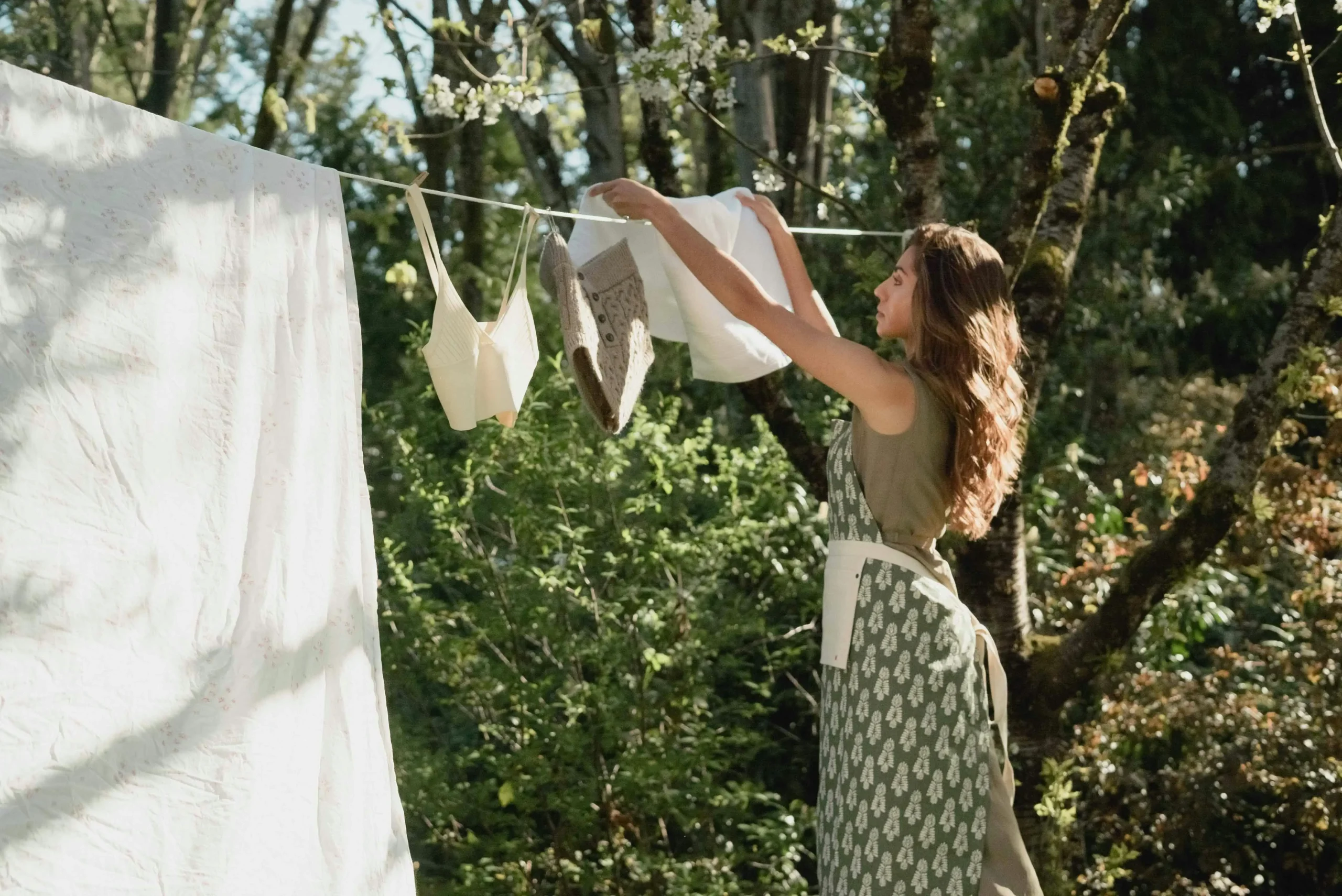
Sure, that’s one way to define it. But what if I told you that culture also lives in corner shops, bus queues, and the background noise of morning radio? What if it’s in the way people greet each other, hang laundry, or cook a family recipe passed down in whispers?
British cultural theorist Raymond Williams put it simply: “Culture is ordinary.”
And as a traveler, I’ve never found anything truer.
Travel Doesn’t Just Show You the World, It Reveals the Everyday
We often set off in search of the extraordinary. To witness fireworks over unfamiliar cities. To find beauty, drama, flavour, and difference. But some of my favourite memories didn’t come with a guidebook entry.
They came while sitting at a plastic table in a side-street noodle shop in Phuket. From quiet afternoons watching friends playing boules in the South of France. From overhearing a heated debate on the Rome metro about the latest football game.

In those moments, I wasn’t just visiting. I was witnessing culture unfold—not in galleries or performances, but in life. Real, rhythmic, beautifully unfiltered life.
Culture Isn’t Just What’s Historic, It’s What’s Happening
Raymond Williams, who grew up in a working-class Welsh town, was tired of people acting like culture only belonged to the wealthy, educated, or elite. He believed culture wasn’t just about high art or tradition—it was about how people lived.
“Culture is ordinary: in every society and in every mind.”
Williams argued that culture has two meanings:
1️⃣ A whole way of life
2️⃣ The arts and learning of a society
The problem? We tend to overvalue the second and erase the first.
Travel can trick us into only looking for the dramatic or the different. But if we really want to understand a place, we need to notice the quiet things too. How people queue at the bus stop. How they drink their coffee. How they greet their neighbours. What stories they tell themselves about who they are.
That’s culture. And it’s just as important as the temples and ruins.
Real Travel Requires Curiosity, Not Just Checklists
Williams believed that culture isn’t static; it’s a process. Something built, broken, reshaped, reimagined. That means everyone has a part to play.
The stories your grandmother tells. The slang your friends use. The music teenagers are blasting in a narrow Roman alleyway at 10 PM. That’s culture, too.
When you travel, you’re witnessing that process, if you’re paying attention. Yes, you can visit the Louvre or the Uffizi, but you’ll learn just as much (maybe more) from:
Strolling through a local supermarket

Riding a city bus at rush hour

Watching a group of pensioners play dominoes under a tree in Havana

Travel shouldn’t just be about collecting photos. It should be about collecting understanding. And that means respecting not just what’s “famous,” but what’s familiar to the people who live there.
Some Ideas Where to Find the Ordinary
Here are a few places and moments I have on my bucket list where the “ordinary” reveals a culture better than any museum ever could:
📍 Naples, Italy

The chaos of the street markets, where everyone argues with passion and buys fish wrapped in newspaper. The smell of espresso and cigarettes at 7AM. That’s Naples. That’s culture.
📍 Kyoto, Japan

Visit a konbini (convenience store) late at night. Watch the bowing, the exactness, the ritual of politeness in every interaction. It’s a masterclass in cultural values.
📍 Amman, Jordan

Sit in a sweet shop and observe the constant stream of neighbours popping in for baklava, greetings shouted across the counter. Life happens here. Loudly and warmly.
📍 Lisbon, Portugal

Spend an afternoon in a pastelaria. Watch old men argue over football. See the same woman come in to buy the same custard tart at the same time every day. That’s culture as rhythm.
📍 Seoul, South Korea

Ride the subway. Watch how silently people move, how fashion becomes self-expression in a society known for its pressures to conform.
📍 Cali, Colombia

Attend a street salsa night. The dancing is stunning, yes. But also: the way strangers partner up, the casual nods, the respect in the embrace. That’s ordinary. And it’s extraordinary.
Final Thought: Don’t Just Visit Culture. Notice It.
Culture isn’t only waiting for you in a UNESCO World Heritage site. It’s waiting at the breakfast table. In a street corner barber shop. On a park bench, where strangers watch the world go by.

So next time you travel, don’t just ask: “What should I see?”
Try asking: “How do people live here?”
That’s where the real culture lives. That’s where the real magic begins.
A Little Travel Challenge for You
Next time you’re on the road, take five minutes to:
✒️ Write down something you notice that no guidebook mentioned
🤌🏻 Ask a local about their daily routine
📸 Take a photo of something beautifully normal
You’ll find your travels feel fuller, your stories hit deeper, and your memories stick around longer.
Love this post? Pin it!

Pin this post for your next trip if you want to
1️⃣ Travel slower, with more intention.
2️⃣ Understand people beyond the surface.
3️⃣ Return home with stories that feel like the place.
Other Posts You May Like
-

Belgrade in 3 Visits: A Love Letter in Layers
-

The Ultimate Day Trip in Greece: Swim the Acheron
-

Why Everyone’s Falling in Love with Parga (and You Will Too)
-

Marmore Falls: Italy’s Wildest Waterfall, A Family Story, and Why You Need to Visit Now
-

Ljubljana Travel Mistakes to Avoid + What Made Us Fall in Love
-

Why You’ll Fall in Love with Tivoli’s Villa d’Este